

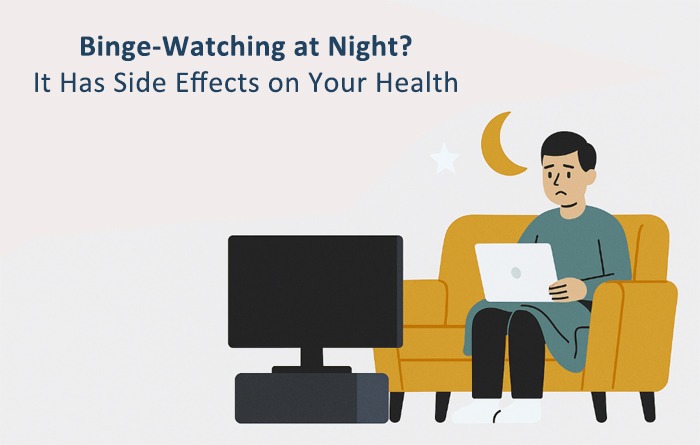
Late-night binge-watching has become a modern habit for many. Whether it’s “just one more episode” or a weekend OTT marathon, staying awake late into the night may feel relaxing at the moment—but your body pays the price silently. For several patients who visit DNA Diet Clinic, late-night screen habits are one of the hidden triggers behind weight gain, fatigue, hormonal imbalance, and even chronic metabolic issues.
While entertainment gives temporary escape, disturbed biological rhythms can create long-term health concerns. Here’s how binge-watching at night affects your body and why understanding your DNA is crucial for breaking the cycle.
1. Your Sleep Cycle Gets Disturbed
Your body follows a natural internal clock—called the circadian rhythm. When you keep staring at bright screens late at night, your brain gets mixed signals. The blue light from screens suppresses melatonin, the hormone responsible for sleep.
As a result, you may experience:
-
Trouble falling asleep
-
Light or broken sleep
-
Tiredness in the morning
-
Low energy during the day
-
Impaired concentration and memory
This becomes a loop: poor sleep → excess fatigue → emotional eating → more screen time.
2. Weight Gain Becomes Easier
Late-night wakefulness directly impacts the hormones ghrelin and leptin—your hunger and satiety hormones. When you stay awake longer:
-
Ghrelin increases (you feel hungrier)
-
Leptin decreases (you don’t feel full even after eating)
Combined with mindless snacking while binge-watching, this leads to:
-
Weight gain
-
Excess belly fat
-
Slow metabolism
-
Higher fat storage
For individuals genetically prone to slow metabolism or high-fat sensitivity, the effects are even more severe.
3. Your Hormones Get Imbalanced
Sleep deprivation and late-night stimulation elevate cortisol, the stress hormone. High cortisol levels interfere with:
-
Thyroid function
-
Blood sugar regulation
-
Reproductive hormones
-
Mood stability
This hormonal imbalance contributes to:
-
Acne and skin dullness
-
PCOS symptoms
-
Mood swings
-
Heightened stress and irritability
-
Sugar cravings
Even if you are eating “healthy,” disrupted hormones can stall your weight-loss journey.
4. Metabolism Slows Down
Your digestive system also follows a day-night rhythm. Late-night eating—especially high-calorie snacks—confuses this natural cycle. The body is not prepared to digest food efficiently at night, so most of it gets stored as fat.
People with certain genetic markers related to fat metabolism, inflammation, or glucose processing struggle even more with late-night habits.
5. Mental Health Takes a Hit
Over-stimulation from binge-watching affects neurotransmitters responsible for relaxation. Poor sleep quality combined with emotional content (thrillers, dramas, intense scenes) can lead to:
-
Anxiety
-
Restlessness
-
Low mood
-
Irritability
-
Difficulty coping with daily stress
Long-term, this can also affect motivation and productivity.
Your DNA Decides How Strongly Late Nights Affect You
Not everyone is equally affected by late-night binge-watching. Some people feel normal even after sleeping late, while others gain weight or feel unwell quickly. This difference comes from your genes.
DNA testing can reveal:
-
Your natural sleep-wake cycle
-
Your sensitivity to sleep disturbance
-
Hormonal tendencies
-
Craving and appetite triggers
-
How your metabolism responds at night
-
Your stress response pattern
At DNA Diet Clinic, Dr. Rushikesh Trivedi uses these genetic insights to design a personalised plan that helps you correct sleep patterns, reduce cravings, and naturally reset your metabolism.
How DNA-Based Planning Helps You Break the Habit
A customised DNA-based plan helps you:
-
Improve sleep quality
-
Reduce late-night cravings
-
Balance hormones
-
Lose weight more consistently
-
Gain more daytime energy
-
Support long-term metabolic health
Because the plan is tailored to your genes, it works with your body instead of against it.
Conclusion
Binge-watching occasionally isn’t harmful. But when “one more episode” becomes a routine, your sleep, hormones, metabolism, and mental well-being take a hit. The side effects may not appear overnight, but they slowly build up—and your genetics determine how much damage is done.
If late nights are affecting your mornings, your health, or your weight, it’s time to realign your lifestyle based on your DNA. Your body has a unique blueprint—understanding it can help you create healthier habits that last.