

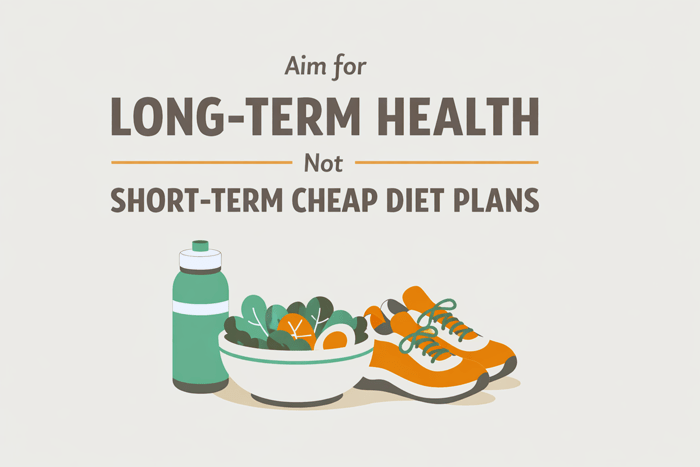
In today’s world of instant gratification, cheap diet plans often appear tempting. They promise quick results, minimal effort, and low costs. But when it comes to your health, cheap should never be the benchmark. What you save today on a diet plan often comes back later as fatigue, weight regain, poor immunity, and rising medical expenses.
The hidden problem with short-term cheap diet plans
Most low-cost diet plans are built around extreme calorie cuts, food elimination, or repetitive meals made from the cheapest ingredients available. These approaches rarely consider how the human body actually functions. As a result, people experience temporary weight loss followed by inevitable regain.
Common consequences include:
-
Nutrient deficiencies due to poor food quality
-
Constant hunger, cravings, and low energy
-
Hormonal imbalance and a slowed metabolism
-
Frustration, guilt, and eventual burnout
The plan may end in a few weeks, but the impact on your body often lasts much longer.
Cheap food is not the same as valuable nutrition
There is a crucial difference between saving money and creating value. Cheap diets typically rely on ultra-processed foods that are calorie-dense but nutrient-poor. They may fill your stomach, but they fail to nourish your body.
Value-driven nutrition focuses on:
-
Nutrient density rather than calorie obsession
-
Stable energy and better digestion
-
Long-term disease prevention
-
Mental clarity and emotional balance
This approach may not look “cheap” on paper, but it consistently delivers better health outcomes.
Why one-size-fits-all diets don’t work
Most budget diet plans are generic templates. They ignore:
-
Individual metabolism
-
Genetic differences
-
Gut health variations
-
Lifestyle, work schedules, and stress levels
That’s why the same diet works wonders for one person and completely fails for another. When nutrition isn’t personalized, people end up spending repeatedly on new plans, supplements, and programs—ironically making “cheap” diets far more expensive over time.
A smarter, value-oriented approach: DNA-based nutrition
This is where enrolling in a DNA-based diet becomes a far more intelligent choice. With a one-time fee, you receive a comprehensive DNA report along with multiple months of mentoring and sustainable diet plans built around your genetic makeup. Under the guidance of Dr. Rushikesh Trivedi, this approach removes guesswork and trial-and-error.
Instead of repeatedly paying for short-term diet programs that fail, you invest once in understanding how your body absorbs nutrients, stores fat, and responds to different foods. The insights from your DNA report continue to guide your eating habits for years—making this approach not cheap, but far more value-oriented and cost-effective in the long run.
Long-term health requires a long-term mindset
Real health is not built in 21 days. It is built over months and years through consistency. A sustainable diet plan:
-
Fits into real life, not just ideal routines
-
Supports hormones, immunity, and digestion
-
Allows flexibility for social events and travel
-
Improves energy, sleep, and mental well-being
When a plan is designed for long-term adherence, results last—and so does motivation.
Think investment, not expense
Instead of asking “What is the cheapest diet plan?”, ask:
-
Will this support my health five years from now?
-
Can I realistically follow this without stress or burnout?
-
Does this nourish my body or only reduce calories?
When you shift your thinking from cost to value, your choices automatically improve.
Final thoughts
Aim for long-term health, not short-term cheap diet plans.
Your body is not a temporary project—it’s a lifelong commitment. Nutrition that is personalized, sustainable, and science-backed may not be the cheapest option upfront, but it delivers something far more important: lasting health, stable energy, and freedom from repeated dieting cycles.
📲 WhatsApp now for a FREE consultation: 99133 39031
Take the first step toward smarter, DNA-based nutrition and long-term health.