
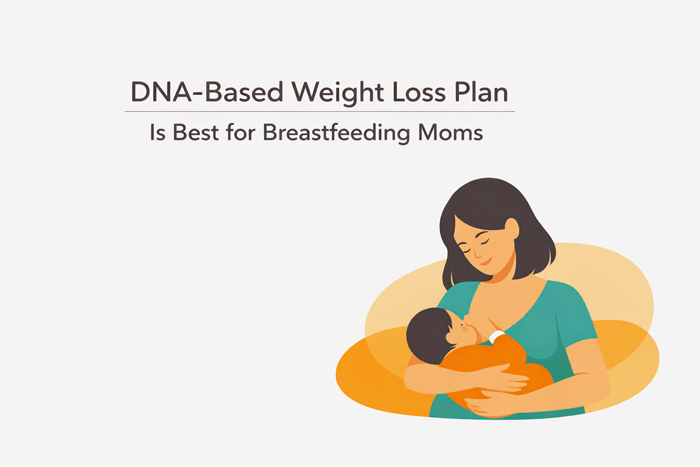
Motherhood is one of the most beautiful phases of a woman’s life—but it also comes with physical, emotional, and metabolic changes that are often misunderstood. One of the most common concerns new mothers share with me during consultations is weight gain after pregnancy and delivery. Many breastfeeding mothers feel torn between wanting to lose weight and fearing that dieting might affect their baby’s nutrition. DNA-Based Weight Loss Plan Is Best for Breastfeeding Moms. Let me state this clearly at the very beginning: breastfeeding mothers should never follow generic weight-loss diets. Calorie-cut plans, fad diets, detoxes, or intense workout routines can do more harm than good. What breastfeeding mothers need is precision, not restriction—and that is exactly where a DNA-based weight loss plan becomes the safest and most effective solution.
Why Conventional Weight Loss Plans Fail Breastfeeding Moms
Most diet plans available today are designed with one assumption: one plan can work for everyone. Unfortunately, that assumption is scientifically incorrect—especially for lactating mothers.
During breastfeeding, a woman’s body prioritizes milk production, hormonal balance, and recovery from pregnancy. Generic diets often:
-
Reduce calories blindly
-
Ignore individual metabolic capacity
-
Increase fatigue and weakness
-
Affect milk quality and quantity
-
Trigger acidity, bloating, or nutrient deficiencies
Some mothers lose weight quickly but feel exhausted, irritable, or notice reduced milk supply. Others don’t lose weight at all, despite following diets sincerely. This inconsistency is not due to lack of discipline—it is due to genetic differences.
Understanding the Role of DNA in Post-Pregnancy Weight
Your DNA decides:
-
How efficiently you burn fat
-
How your body responds to carbohydrates and fats
-
How sensitive you are to insulin
-
How your hormones behave under stress
-
How quickly you recover after childbirth
Two breastfeeding mothers eating the same food and doing the same exercise can experience completely different results. That is because their genes are different.
A DNA-based diet does not guess. It measures.
What Is a DNA-Based Weight Loss Plan?
A DNA-based nutrition plan is created after analysing specific genetic markers related to:
-
Fat metabolism
-
Carbohydrate tolerance
-
Protein absorption
-
Vitamin and mineral needs
-
Inflammation response
-
Hormonal balance
Once we understand how a mother’s body is genetically designed to function, we create a personalised nutrition and lifestyle plan that supports weight loss without compromising breastfeeding.
This is not about eating less—it is about eating right for your body.
Why DNA-Based Weight Loss Is Ideal for Breastfeeding Mothers
1. No Starvation, No Calorie Obsession
Breastfeeding mothers need sufficient calories for milk production. DNA-based plans focus on nutrient density, not calorie cutting. The body loses fat naturally when it is nourished correctly.
2. Protects Milk Quality and Supply
Since the plan is designed according to genetic absorption capacity, the mother gets adequate proteins, fats, micronutrients, and hydration—ensuring healthy milk production.
3. Improves Energy Levels
Many new mothers complain of constant tiredness. DNA-based nutrition improves mitochondrial efficiency and nutrient utilisation, leading to better stamina and mental clarity.
4. Reduces Acidity, Bloating, and Digestive Issues
Digestive sensitivity after pregnancy is common. A DNA-guided diet avoids foods that genetically trigger inflammation or poor digestion, leading to gut comfort and better metabolism.
5. Balances Hormones Naturally
Hormones play a crucial role during lactation. Instead of suppressing hormonal activity, DNA-based nutrition supports natural hormonal balance—critical for mood, sleep, and weight regulation.
Weight Loss After Pregnancy Should Be Slow, Steady, and Smart
One of the biggest myths is that weight loss must be fast to be effective. In reality, sustainable fat loss is gradual—especially during breastfeeding.
A DNA-based plan:
-
Encourages steady fat loss
-
Prevents muscle loss
-
Supports postpartum recovery
-
Avoids sudden drops in energy
The result is not just a lighter body, but a healthier and stronger mother.
Exercise for Breastfeeding Moms: DNA Matters Here Too
Exercise is important—but again, not all workouts suit everyone.
Some women respond better to:
-
Low-intensity strength training
Others benefit more from: -
Walking, yoga, or functional movements
DNA analysis helps determine:
-
Exercise recovery capacity
-
Injury risk
-
Stress response to workouts
This ensures mothers are not over-exercising or under-training during an already demanding phase of life.
Mental Well-Being Is Part of Weight Loss
Post-pregnancy emotional changes are real. Sleep deprivation, responsibility, and body image concerns can increase stress, which directly affects weight.
DNA-based nutrition addresses stress pathways by:
-
Supporting neurotransmitter balance
-
Improving sleep quality through food timing
-
Reducing cortisol-driven fat storage
When the mind feels supported, the body responds positively.