

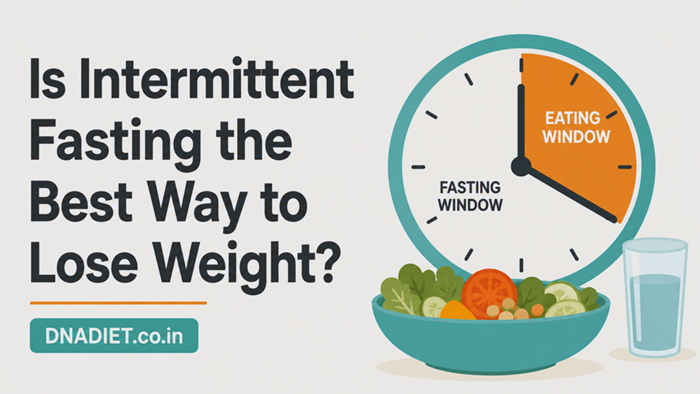
Is intermittent fasting the best way to lose weight? The answer is simple. It depends. While intermittent fasting for weight loss can help some people, it is not the right solution for everyone. Its effectiveness depends on factors such as metabolism, eating habits, physical activity, sleep, stress, medical conditions, and genetics.
No single diet works for everyone. In my clinical practice as a DNA-based nutrition expert, I have seen some individuals achieve excellent results with intermittent fasting, while others struggle with hunger, low energy, or regain the weight they lost. The difference is rarely about willpower. Every body responds differently to the same eating pattern.
This article explains how intermittent fasting works, its benefits and limitations, who it may suit, and why a personalised nutrition plan based on your DNA, health, and lifestyle is often a more sustainable approach to long-term weight management.
What Is Intermittent Fasting?
Intermittent fasting is an eating pattern that focuses on when you eat rather than what you eat. Unlike conventional diets that prescribe specific foods, intermittent fasting restricts eating to defined time windows.
Popular Methods Include:
-
16:8 Approach: Fasting for 16 hours and limiting eating to an 8-hour window.
-
14:10 Method: Fasting for 14 hours with a 10-hour eating window.
-
5:2 Pattern: Eating normally for five days and significantly reducing calorie intake on two non-consecutive days each week.
Its popularity comes from its simplicity—there are no complicated meal plans or calorie calculations, making it attractive to people looking for an easy way to lose weight. However, simplicity should never be confused with suitability.
Why Has Intermittent Fasting Become So Popular?
Social media, celebrity endorsements, and dramatic before-and-after photographs have made intermittent fasting one of the most talked-about weight-loss strategies.
Many people experience early success because reducing the eating window often naturally reduces overall calorie intake. Some individuals also find that eating fewer meals helps reduce unnecessary snacking. These benefits are genuine, but they represent only one side of the story.
What often goes unnoticed are the many individuals who struggle with intermittent fasting but assume the problem lies with their willpower rather than the diet itself. In reality, different bodies respond differently to the same eating pattern.
Why Intermittent Fasting Doesn’t Work for Everyone
One of the biggest myths I encounter is the belief that if intermittent fasting worked for someone else, it should work equally well for everyone. That simply isn’t true. Weight loss is influenced by multiple factors working together, and meal timing is only one piece of a much larger puzzle.
Every individual has a unique metabolic profile. Factors that influence how your body responds to dietary changes include:
-
Insulin sensitivity and hormones
-
Age and muscle mass
-
Sleep quality and stress levels
-
Physical activity levels
-
Underlying medical conditions
This is why I regularly see two people following the exact same fasting schedule achieve completely different results: one loses weight comfortably, while the other feels constantly hungry, loses motivation, and eventually regains the weight.
Neither person has failed—their bodies are simply different.
The Challenges I Commonly See
Over the years, I have worked with many individuals who have tried intermittent fasting before seeking professional advice. Several common problems appear repeatedly:
-
Hunger and Overeating: Long fasting periods increase hunger in some individuals. Instead of eating less, they end up consuming large portions during their eating window. As a result, total calorie intake remains unchanged or even increases, providing little benefit.
-
Reduced Energy: Many people report low energy levels, irritability, or poor concentration during extended fasting periods. This is especially common among individuals with demanding work schedules, physically active lifestyles, or poor sleep. A diet should support daily performance rather than reduce it.
-
Poor Long-Term Sustainability: Family meals, festivals, travel, business meetings, and social occasions rarely follow strict fasting schedules. When a diet constantly clashes with daily life, most people eventually abandon it. Long-term weight management depends on consistency, not perfection.
-
Muscle Loss: Healthy weight loss should primarily reduce body fat while preserving lean muscle. If protein intake is inadequate or resistance training is neglected, rapid weight loss may include muscle loss. This can reduce metabolic efficiency over time.
-
False Sense of Freedom: Some individuals believe that fasting allows them to eat unlimited quantities during the eating window. Unfortunately, the body still responds to the quality and quantity of food consumed. Highly processed foods, excessive sugar, and oversized portions can easily eliminate any calorie deficit created by fasting.
Medical Conditions Matter
Intermittent fasting is not appropriate for everyone. I recommend caution and medical supervision for specific populations:
-
Individuals who are pregnant or breastfeeding
-
People who are underweight or living with eating disorders
-
Individuals managing chronic medical conditions that require regular meals
-
Anyone taking insulin or medications that lower blood glucose (as fasting may increase the risk of dangerously low blood sugar)
Nutrition should always support health rather than create unnecessary risks.
The Missing Piece: Biological Individuality
This is where I believe many discussions about weight loss fall short. Most diets are presented as universal solutions, but human biology is not universal.
-
Some individuals tolerate higher carbohydrate intake extremely well; others respond better to moderate carbohydrate intake.
-
Some experience stronger hunger signals; others naturally feel full after smaller meals.
-
Some recover quickly after exercise; others require different nutritional support.
These subtle differences help explain why identical diets often produce completely different outcomes.
Where DNA-Based Nutrition Adds Value
One of the most exciting developments in nutrition science is nutrigenomics—the study of how genes interact with nutrients.
I do not use DNA testing to predict the future or prescribe a magic diet. Instead, I use it as one part of a comprehensive clinical assessment. My nutrition plans are personalised based on an individual’s DNA test report combined with:
-
Medical history
-
Laboratory reports
-
Body composition
-
Lifestyle and daily routine
-
Food preferences
DNA insights help provide additional information about carbohydrate metabolism, fat metabolism, appetite regulation, exercise response, and nutrient utilisation. This allows me to personalise recommendations instead of relying solely on general guidelines. DNA is never the entire answer, but it is one valuable piece of the overall picture.
My Approach to Weight Loss
When someone visits my clinic, my first question is never, “Do you want to try intermittent fasting?”
Instead, I take a comprehensive, DNA-based personalized approach. Every individual’s journey begins with understanding their unique genetic profile alongside their lifestyle, medical history, eating habits, work schedule, sleep quality, physical activity, and previous weight-loss attempts.
By analyzing your DNA test report together with your clinical and lifestyle profile, I create a customized diet plan tailored specifically to how your body processes nutrients, regulates appetite, and responds to food.
Only after getting a clear picture of your individual biology do I recommend a nutritional strategy. Sometimes intermittent fasting aligns with a client’s genetic tendencies and daily routine; often, an entirely different structure is far more effective. The goal is never to force a person into a popular diet trend—the goal is to design a personalized diet that fits the person’s unique DNA and lifestyle. That single difference is what transforms short-term weight loss into sustainable, long-term health.
Final Thoughts
Intermittent fasting for weight loss is a useful dietary strategy for some people, but it should never be considered the best solution for everyone. Sustainable weight loss depends on choosing an eating pattern that matches your biology, health status, and lifestyle rather than following the latest trend.
In my experience, personalised nutrition consistently delivers better long-term outcomes because it respects the fact that every individual is different. Whether those insights come from clinical evaluation, lifestyle assessment, or DNA-based nutrition, the objective remains the same: to create a plan that is practical, sustainable, and designed specifically for the individual.
Before asking whether intermittent fasting is the right diet, I encourage you to ask a more important question: Is it the right diet for my body? That question is often the first step towards lasting weight loss and better health.
Frequently Asked Questions
Is intermittent fasting the fastest way to lose weight? Not necessarily. Initial weight loss may occur, but long-term success depends on maintaining healthy eating habits and a sustainable calorie deficit.
Can everyone follow intermittent fasting? No. It may not be suitable for people with certain medical conditions, pregnant or breastfeeding women, individuals with eating disorders, or those taking medications that require regular meals.
Can DNA testing tell me if intermittent fasting is suitable? DNA testing alone cannot answer that question. However, when combined with clinical assessment and lifestyle evaluation, it can provide useful insights that help personalise nutrition recommendations.
What is the best diet for long-term weight loss? The best diet is one that matches your health, lifestyle, food preferences, and biological needs while being practical enough to follow consistently.